Introduction to Mechanical Vapor Recompression (MVR)
Mechanical Vapor Recompression (MVR) is an energy-efficient evaporation technology used in industries to concentrate liquids, recover water, and reduce energy consumption. It works by recycling the vapor generated during evaporation instead of discarding it.
Basic Principle
In a conventional evaporator, steam heats a liquid, causing water to evaporate. The generated vapor is usually condensed and wasted.
In an MVR system:
- Liquid is heated and evaporated.
- The generated vapor is collected.
- A mechanical compressor or blower increases the vapor’s pressure and temperature.
- The compressed vapor is reused as the heating medium for the evaporator.
- This cycle repeats, greatly reducing the need for fresh steam.
How MVR Works
Feed Solution
↓
Evaporator
↓
Generated Vapor
↓
Compressor / Blower
(Pressure & Temperature Increase)
↓
Recompressed Vapor
↓
Heating Side of Evaporator
↓
Condensate + Reused Heat
Key Components
- Evaporator – Generates vapor from the liquid feed.
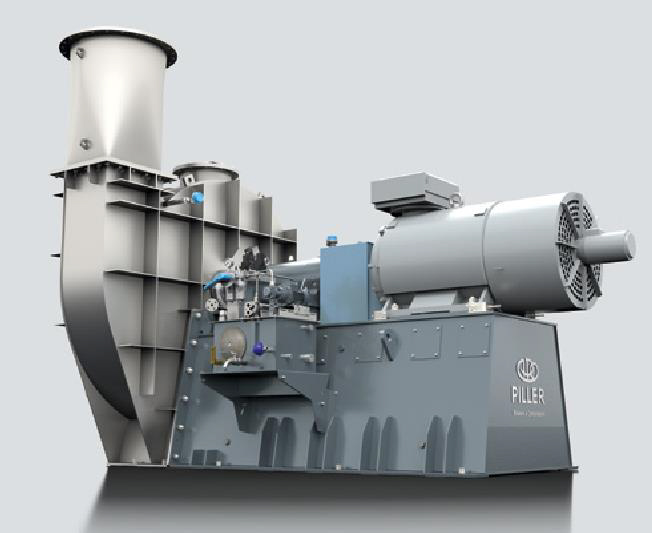
- Vapor Compressor/Blower – Compresses the vapor to a higher pressure and temperature.
- Heat Exchanger – Transfers heat from the compressed vapor to the process liquid.
- Separator – Separates liquid droplets from vapor before compression.
- Control System – Maintains stable operation and efficiency.
Advantages of MVR
✅ Very low steam consumption (often near zero during normal operation)
✅ Energy savings of 80–95% compared with conventional evaporation systems
✅ Lower operating costs
✅ Reduced carbon emissions
✅ High water recovery rates
✅ Compact plant footprint
Limitations
❌ Higher initial capital investment
❌ Significant electrical power required for the compressor
❌ Compressor performance can be affected by fouling or corrosive vapors
❌ Not always economical for very small evaporation duties
Industrial Applications
MVR is widely used in:
- Food and beverage processing (milk, juice, sugar solutions)
- Pharmaceutical manufacturing
- Chemical processing
- Wastewater treatment
- Zero Liquid Discharge (ZLD) systems
- Desalination and water reuse plants
Comparison: Conventional Evaporation vs. MVR
Parameter | Conventional Evaporator | MVR Evaporator |
Steam Consumption | High | Very Low |
Electrical Consumption | Low | Higher |
Operating Cost | High | Low |
Energy Efficiency | Moderate | Very High |
Carbon Footprint | Higher | Lower |
Capital Cost | Lower | Higher |
Example
Suppose an evaporator generates vapor at 70°C. An MVR compressor raises the vapor pressure so its temperature increases to 75–80°C. This hotter vapor is then reused to provide the heat required for further evaporation, eliminating most of the external steam demand.
Summary
Mechanical Vapor Recompression (MVR) is a heat-recovery technology that compresses and reuses process vapor as the heating source for evaporation. By recycling latent heat, MVR significantly reduces steam consumption and operating costs, making it one of the most energy-efficient solutions for industrial evaporation, concentration, and wastewater treatment processes.
Product & Services
- Carbon Trade Exchange
- Mechanical Vapor Recompression
- MSW-Based Biogas Plant
- Novel Green Energy Management
- Rotary/Rotatory Particulate Collector
- Electrostatic Precipitator
- Sugar Mill Lubricants LAAPSA
- Centralised Lubrication System
- Zero Liquid Discharge Solution
- Electronic Weighing & Bagging Machines